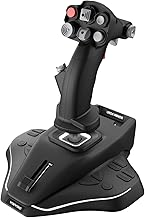
The Evolution of Joysticks From Arcade to Home Gaming
The Evolution of Joysticks: From Arcade to Home Gaming
Joysticks have been an integral part of gaming since the early days of arcade machines. These simple yet effective controllers have evolved over the years, adapting to the changing landscape of gaming technology. From the bulky joysticks of the 70s to the sleek, wireless controllers of today, the evolution of joysticks has been a fascinating journey.
The Early Days: Arcade Joysticks
In the early days of gaming, joysticks were primarily used in arcades. These joysticks were often large and clunky, designed to withstand the heavy use they would see in a public setting. Players would use these joysticks to control characters in popular arcade games like Pac-Man, Space Invaders, and Donkey Kong.
One of the most iconic arcade joysticks of the time was the Atari 2600 joystick, released in 1977. This joystick featured a single button and a simple joystick that could be moved in four directions. While primitive by today's standards, the Atari joystick set the stage for the joysticks that would come in the future.
The Rise of Home Gaming
As home gaming consoles became more popular in the 80s and 90s, joysticks began to make their way into living rooms around the world. Companies like Nintendo, Sega, and Sony all released their own versions of the joystick, each with unique features and designs.
People Also Look For:
- The C64 Micro Switch Joystick - Clear (Electronic Games)
- Thrustmaster Sol-R 1 Flightstick - The joystick for combat and space exploration on PC
- 13 in 1 Metal Thumbsticks for Xbox Elite Controller Series 2 Accessories, Replacement Magnetic Buttons Kit Includes 6 Metal Platin...
- EasySMX X15 Wireless PC Controller with Hall Triggers, Hall Joysticks, Enhanced Bluetooth Game Controller,No Drift No Deadzone eff...
- GameSir G7 SE Wired Controller for Xbox Series X|S, Xbox One & Windows 10/11, Plug and Play Gaming Gamepad with Hall Effect Joysti...
Nintendo's NES controller, released in 1985, featured a rectangular design with a directional pad and two buttons. This controller set the standard for home gaming controllers for years to come, with many other companies following suit with similar designs.
The Digital Revolution
With the rise of 3D gaming in the late 90s and early 2000s, joysticks began to evolve once again. Companies like Sony and Microsoft introduced analog sticks to their controllers, allowing for more precise movement in 3D environments. These analog sticks gave players a greater degree of control over their characters, leading to more immersive gaming experiences.
Wireless technology also began to make its way into joysticks, eliminating the need for cumbersome cords that could get in the way during intense gaming sessions. Wireless joysticks allowed players to sit further away from their consoles, giving them more freedom to move around while playing.
The Modern Era
Today, joysticks have reached new heights of sophistication. Controllers like the Xbox Elite Series 2 and the PlayStation DualSense feature haptic feedback, adaptive triggers, and motion controls, providing a level of immersion that was once unimaginable.
Many modern joysticks also feature customizable buttons and paddles, allowing players to tailor their controllers to their specific gaming preferences. This level of customization has become increasingly important in the world of competitive gaming, where every advantage can make a difference.
The Future of Joysticks
As gaming technology continues to evolve, so too will joysticks. With the rise of virtual reality and augmented reality gaming, we can expect to see joysticks that are specifically designed for these immersive experiences. These joysticks may feature new technologies like eye-tracking and gesture recognition, allowing for even greater control over virtual worlds.
One thing is for certain: the evolution of joysticks is far from over. As gaming continues to push the boundaries of what is possible, joysticks will continue to adapt and evolve, providing players with new ways to interact with their favorite games.